
Batching Plant Introduction
How Production Stability Impacts the Value of a Mobile Batching Plant for Sale
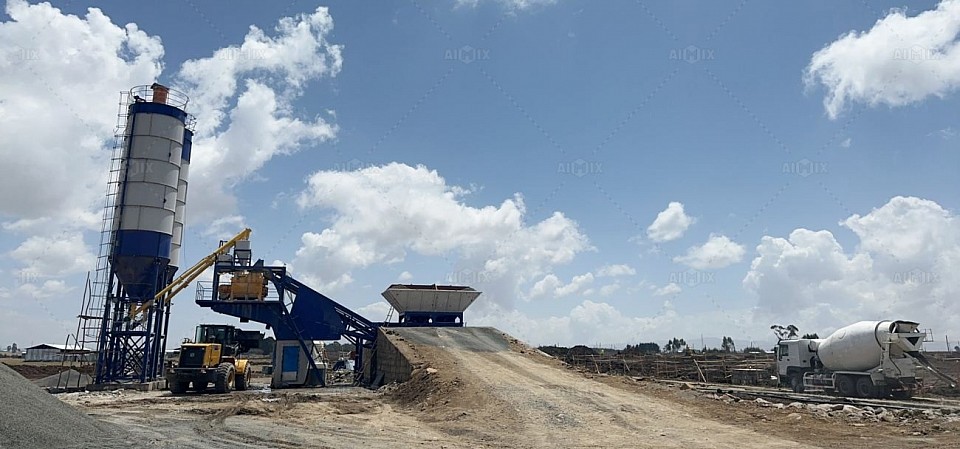
When evaluating a mobile batching plant for sale, buyers often compare capacity, mobility, and price. However, one factor has a disproportionate impact on long-term value and return on investment: production stability. A mobile batching plant is not judged by peak output alone, but by its ability to produce consistent, high-quality concrete under varying site conditions. Stability directly affects operating efficiency, concrete quality, customer satisfaction, and overall project profitability.
Understanding Production Stability in Mobile Batching Plants
Production stability refers to the plant’s ability to maintain consistent batching accuracy, mixing quality, and output over time. For mobile batching plants, this is particularly critical because they often operate in temporary or changing environments, such as road projects, remote construction sites, or fast-moving urban developments.
Unlike fixed plants with permanent foundations, mobile units must perform reliably despite frequent relocation, limited space, uneven ground, and fluctuating material supply. A mobile batching plant for sale that demonstrates strong production stability is therefore inherently more valuable, as it reduces operational risk across multiple projects.
Consistent Output Means Predictable Project Scheduling
One of the most tangible benefits of production stability is predictable output. Stable plants deliver concrete at a consistent rate, allowing project managers to plan pours, labor, and logistics with confidence.
Unstable production leads to interruptions, missed delivery windows, and idle crews. These hidden costs quickly erode the apparent savings of a lower-priced mobile batching plant for sale. In contrast, a stable plant supports continuous workflows, helping contractors meet deadlines and avoid penalties associated with delays.
Quality Control and Mix Consistency
Concrete quality is directly tied to batching accuracy and mixing performance. Production stability ensures that each batch meets design specifications for strength, workability, and durability.
Mobile batching plants often handle varying aggregate moisture levels and frequent material changes. Plants with stable weighing systems, responsive control software, and reliable mixers can automatically adjust for these variables. This reduces variability in concrete quality, minimizes rejected batches, and enhances the credibility of the operator—especially important for contractors supplying concrete to third parties.
From a value perspective, a mobile batching plant for sale that consistently delivers uniform quality protects both the operator’s reputation and long-term business opportunities.
Reduced Wear, Maintenance, and Downtime
Production instability often manifests as frequent breakdowns, calibration drift, or control system errors. These issues increase maintenance frequency and shorten component life.
Stable production systems operate within designed tolerances, reducing mechanical stress on mixers, conveyors, and weighing sensors. This results in:
Lower maintenance costs
Fewer emergency repairs
Longer service life of key components
For buyers assessing lifecycle value, a mobile batching plant for sale with proven production stability typically offers a lower total cost of ownership, even if the initial price is higher.
Adaptability Across Multiple Sites
The true advantage of a mobile batching plant lies in its ability to relocate. However, frequent relocation can compromise performance if the concrete mixer plant lacks structural rigidity or recalibration efficiency.
Plants designed for stable production feature modular yet robust structures, quick recalibration processes, and intuitive setup procedures. This allows operators to restore stable output quickly after relocation, preserving productivity across different job sites.
From an investment standpoint, a mobile batching plant for sale that maintains stability across locations is far more valuable than one that performs well only under ideal conditions.
Impact on Operator Efficiency and User Experience
Stable production simplifies daily operation. Operators spend less time troubleshooting inconsistencies and more time managing production. Clear system feedback, reliable automation, and predictable performance reduce operator fatigue and training requirements.
For companies scaling operations or dealing with high labor turnover, a stable mobile batching plant for sale lowers dependence on highly specialized operators, further enhancing its business value.
Market Perception and Resale Value
Production stability also influences resale value. Buyers in the secondary market prioritize plants with documented performance consistency, maintenance records, and minimal downtime history.
A mobile batching plant for sale known for stable output is easier to resell or redeploy, improving asset liquidity. This is especially important for contractors managing project-based investments who plan for relocation or exit strategies.
Conclusion
Production stability is not a technical detail—it is a core value driver for any mobile batching plant for sale. Stable production improves scheduling reliability, ensures consistent concrete quality, reduces maintenance costs, enhances operator efficiency, and strengthens resale value.
For buyers looking beyond headline capacity and purchase price, production stability represents the difference between a mobile batching plant that merely functions and one that delivers sustainable returns across multiple projects.
Balancing Productivity and Precision in Stationary Concrete Mixing Plants
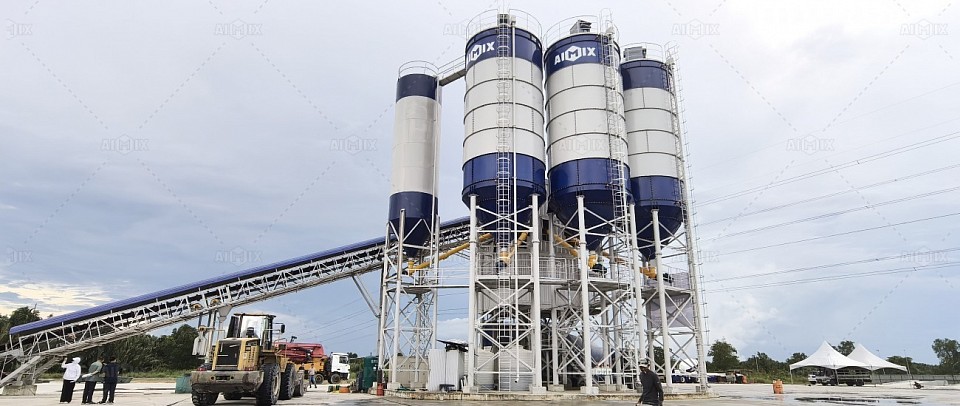
Stationary concrete mixing plants are designed to deliver large volumes of concrete with stable quality over long production cycles. As infrastructure projects scale up and construction schedules tighten, plant operators face a recurring challenge: how to maximize productivity without compromising batching precision. Achieving this balance is essential not only for meeting output targets but also for ensuring structural performance, cost control, and long-term plant reliability.
The Productivity–Precision Trade-Off
Productivity in stationary concrete mixing plants is often measured in terms of hourly output, cycle time, and equipment utilization. Precision, on the other hand, relates to accurate material weighing, consistent mix proportions, uniform mixing, and reliable quality control. While higher production rates can improve short-term efficiency, pushing equipment beyond optimal operating conditions may increase measurement deviations, wear, and the risk of inconsistent concrete quality.
Understanding this trade-off is the first step toward sustainable plant operation. Rather than treating productivity and precision as competing goals, modern plant design and management aim to integrate both into a unified operational strategy.
Equipment Design as the Foundation
The ability to balance productivity and precision begins with equipment selection and plant design. High-capacity mixers, robust batching systems, and stable supporting structures allow stationary concrete mixing plants to maintain accuracy even at elevated production rates. Twin-shaft and high-performance planetary mixers, for example, are engineered to achieve homogeneous mixing within short cycle times, reducing the need to sacrifice quality for speed.
Equally important are weighing systems for aggregates, cement, water, and admixtures. Precision load cells, stable batching frames, and anti-vibration designs ensure that material measurements remain accurate during continuous operation. Well-designed stationary concrete mixing plants are built to sustain high throughput without introducing systematic measurement errors.
Automation and Control Systems
Advanced automation plays a critical role in synchronizing productivity and precision. Modern control systems manage batching sequences, mixing times, and discharge processes with minimal human intervention. By automating repetitive tasks, stationary concrete mixing plants reduce operator-induced variability while maintaining consistent cycle times.
Real-time monitoring further strengthens this balance. Sensors tracking moisture content, material flow, and mixer performance enable dynamic adjustments to batching parameters. For example, when aggregate moisture fluctuates, the control system can automatically compensate water dosing, preserving mix consistency without slowing production. This data-driven approach allows plants to operate efficiently while maintaining strict quality tolerances.
Optimizing Production Cycles
Production cycle optimization is a practical way to enhance both output and accuracy. Shortening cycle times does not necessarily mean increasing mixer speed or overloading equipment. Instead, it involves refining the sequence of material feeding, mixing, and discharge.
In stationary concrete mixing plants, parallel operations—such as pre-weighing materials while the previous batch is mixing—can significantly increase productivity. At the same time, clearly defined mixing durations and discharge windows help ensure that each batch receives adequate processing. By eliminating idle time rather than cutting essential steps, batching concrete plants can improve throughput without undermining precision.
Quality Control Integrated into Operations
Precision is ultimately validated through concrete quality. Effective stationary concrete mixing plants integrate quality control directly into daily operations rather than treating it as a separate function. Automated data logging of batch weights, mixing times, and production conditions provides a transparent record for quality assurance and traceability.
On-site testing laboratories, combined with digital production data, allow rapid feedback when deviations occur. If strength results or workability indicators drift from target values, operators can adjust mix designs or batching parameters promptly. This closed-loop quality management system supports high-volume production while minimizing waste and rework.
Maintenance and Equipment Stability
Equipment condition has a direct impact on both productivity and precision. Worn mixer blades, unstable weighing systems, or poorly maintained conveyors can introduce variability that undermines accuracy, especially at high output levels. Preventive and predictive maintenance programs are therefore essential for stationary concrete mixing plants.
Regular inspection of critical components ensures that equipment operates within design parameters. Predictive maintenance tools—such as vibration analysis or torque monitoring—help identify issues before they affect batching accuracy or cause unplanned downtime. Stable, well-maintained equipment allows plants to sustain high productivity without increasing quality risks.
Human Factors and Operational Discipline
Even with advanced automation, human oversight remains important. Skilled operators understand how plant behavior changes under different production loads and environmental conditions. Clear standard operating procedures, ongoing training, and performance monitoring help maintain consistency across shifts.
Operational discipline also includes resisting the temptation to exceed rated capacities in pursuit of short-term gains. Stationary concrete mixing plants deliver the best balance of productivity and precision when operated within their designed performance envelope.
Conclusion
Balancing productivity and precision in stationary concrete mixing plants is not about choosing one objective over the other. It is about aligning equipment design, automation, operational planning, quality control, and maintenance into a coherent system. When these elements work together, plants can achieve high output levels while consistently delivering concrete that meets demanding technical standards. In an industry where both efficiency and reliability define success, this balance is a key driver of long-term competitiveness and project performance.
Small Concrete Plant for Sale: Key Accessories and Optional Upgrades to Consider
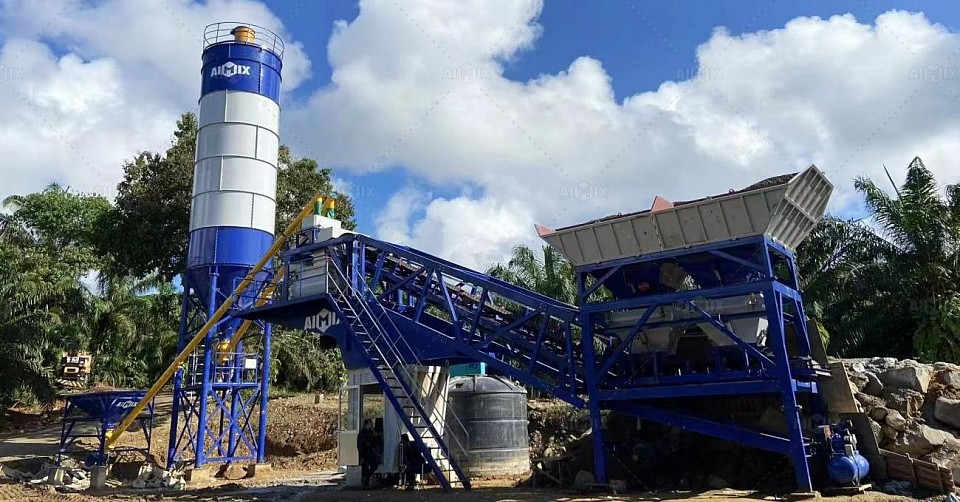
Investing in a small concrete plant for sale is a strategic decision for contractors, ready-mix suppliers, and construction businesses. Whether your projects are urban infrastructure, rural housing, or road repair, a small concrete plant can deliver consistent, high-quality concrete while reducing transportation costs and on-site inefficiencies. However, purchasing the plant is only the first step — selecting the right key accessories and optional upgrades is crucial to maximize efficiency, productivity, and long-term return on investment.
Why Accessories and Upgrades Matter
When buying a small concrete plant for sale, buyers often focus on the base equipment: mixer, aggregate bins, cement silo, and control system. While these core components are essential, accessories and upgrades can greatly enhance functionality and adaptability:
Improve production accuracy
Reduce maintenance time
Increase output
Adapt the plant to specific project needs
Choosing the right accessories ensures the plant meets the operational demands of various construction projects.
Key Accessories to Consider
Cement Silos and Storage Options
Cement silos are a vital component for small concrete plants. The right silo capacity ensures continuous production without frequent refilling. For contractors considering multiple sites, portable silos can provide flexibility. High-quality silos with dust filters and automatic level indicators improve safety and prevent material loss.
Aggregate Bins and Conveying Systems
Reliable aggregate bins allow precise storage and measurement of sand, gravel, and crushed stone. For projects requiring high consistency, consider adding belt conveyors or screw conveyors for automated feeding into the mixer. This reduces labor and ensures even mixing.
Weighing Systems
Accurate weighing systems are critical for producing high-quality concrete. Digital scales with automated controls allow precise measurement of cement, aggregates, water, and admixtures. Investing in a modern weighing system improves mix consistency, reduces waste, and can be integrated with both stationary and small mobile concrete batching plant configurations.
Mixers
The type of mixer influences efficiency and concrete quality. For small plants, twin-shaft or planetary mixers are common. Optional upgrades may include variable-speed drives, high-capacity mixers, or hydraulic lifting systems for faster discharge.
Water Supply and Admixture Systems
Automated water dosing systems and admixture pumps allow precise control over mix proportions. These systems are essential for specialty concrete or when using chemical admixtures for improved workability, strength, or setting time.
Control Panels
Modern control systems enable semi-automatic or fully automatic operation. Upgrading to a programmable logic controller (PLC) ensures real-time monitoring, data logging, and error alerts. For mobile operations, remote monitoring can reduce on-site supervision requirements.
Optional Upgrades for Small Concrete Plants
Small Mobile Concrete Batching Plant Conversion
For contractors who operate across multiple sites, converting a small concrete plant into a small mobile concrete batching plant is highly beneficial. Mobile plants can be quickly relocated, minimizing downtime and reducing the cost of transporting ready-mix concrete from distant urban plants.
Dust Collection and Environmental Systems
Upgrading with dust collectors and enclosed aggregate handling systems minimizes environmental impact, ensures compliance with local regulations, and improves worker safety.
Automation Upgrades
Full automation can include automatic batching, mixing, and discharge. This reduces labor costs, improves consistency, and supports large-volume production without sacrificing quality.
Auxiliary Storage for Admixtures and Cement
Additional storage options for admixtures, fly ash, or other additives allow flexible production for specialty concrete types. These systems also streamline the workflow and reduce the risk of downtime due to material shortage.
Temperature Control Systems
In regions with extreme weather, optional heating or cooling systems for cement and water help maintain consistent concrete quality regardless of environmental conditions.
Benefits of Investing in Accessories and Upgrades
Improved Production Efficiency: Accessories like automated conveyors, weighing systems, and water dosing reduce human error and accelerate operations.
Better Concrete Quality: Precision equipment ensures accurate mix ratios and uniform batching.
Flexibility: Upgrades like mobility kits and storage expansions make the plant adaptable for multiple project types and locations.
Cost Savings: Long-term savings from reduced material waste, improved labor efficiency, and minimized downtime.
Environmental Compliance: Dust collectors, enclosed systems, and modern control panels help meet environmental and safety regulations.
Choosing the Right Accessories for Your Needs
When considering upgrades, evaluate:
Project Type and Scale: Large-volume road projects may benefit from mobile and automated systems, while small rural projects may prioritize cost-effective, semi-automatic setups.
Budget: Not every accessory is necessary; prioritize based on expected return on investment.
Supplier Support: Reliable suppliers offer installation, maintenance, and spare parts for optional upgrades.
Compatibility: Ensure accessories and upgrades are compatible with the base plant model, especially when converting to a small mobile concrete batching plant.
Conclusion
A small concrete plant for sale is more than just its base equipment. Carefully selected key accessories and optional upgrades can significantly enhance efficiency, concrete quality, and flexibility for both stationary and mobile operations. Whether you are upgrading to a small mobile concrete batching plant for multi-site projects or adding automated weighing systems and dust collectors, these investments pay off in reduced operational costs, improved output, and higher quality concrete. For contractors in emerging markets or rural areas, strategic accessory selection ensures the plant meets diverse project requirements, supporting sustainable and profitable construction operations.
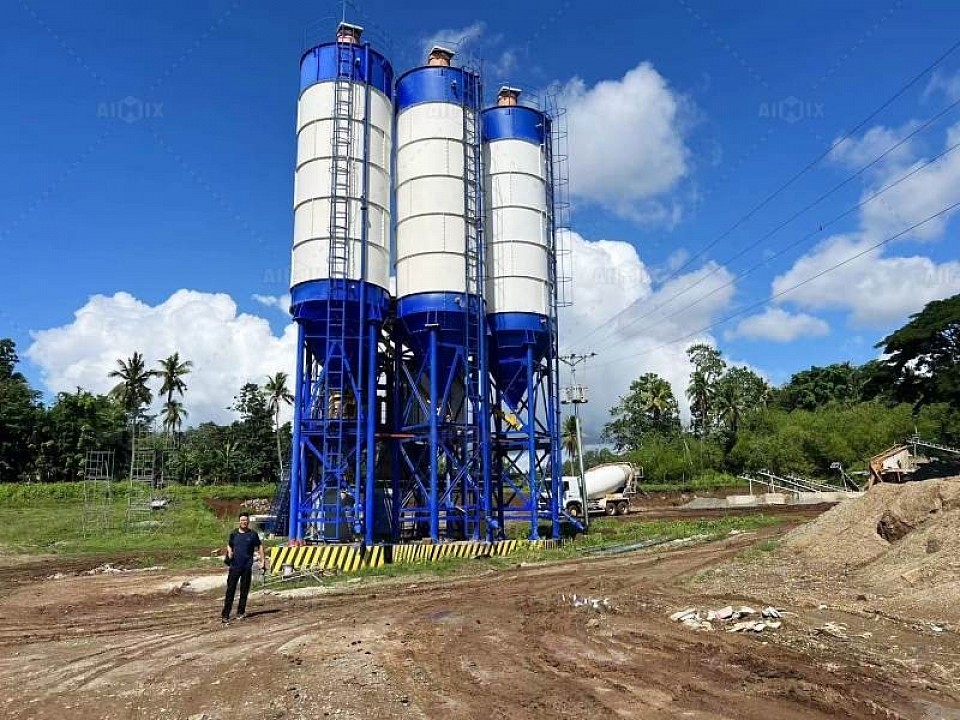
Types of Concrete Batching Plants
Stationary Concrete Batching Plants:
These are ideal for large-scale, long-term projects like road construction, bridges, and large buildings. They offer a stable structure and are designed for high-output performance.
Mobile Concrete Batching Plants:
Perfect for projects with frequent relocation or where space is limited. They are easy to transport and set up, making them ideal for projects that need mobility and flexibility.
Compact Concrete Batching Plants:
These are designed for areas with limited space and are equipped with features to ensure quick setup and operation.
Wet Mix Concrete Batching Plants:
Focused on the production of wet mix concrete, these plants are designed for highly precise control over mix ratios.
Precast Concrete Plants:
Specialized for the production of precast concrete products such as blocks, pavers, and slabs.
Key FeaturesHigh-Quality Materials:
Aimix uses premium raw materials in the construction of their plants to ensure longevity and durability.
Advanced Technology: The plants are equipped with advanced control systems, including PLC and touchscreen panels, making them easy to operate and monitor.
Customizable: Aimix plants can be tailored to meet specific customer requirements, whether it's for production capacity, mobility, or features.
Efficient Performance: Their batching plants are designed to optimize concrete production, ensuring consistent and high-quality results with minimal waste.
Energy-Saving: Aimix incorporates energy-efficient technology to lower operational costs, reducing electricity consumption and overall plant maintenance.
Remote Monitoring: Some models come with options for remote monitoring, allowing users to keep track of plant performance and troubleshoot potential issues from anywhere.
Key Advantages
Reliability: Aimix is known for delivering robust and reliable plants, built to withstand harsh working conditions.
High-Performance Mixing: Their mixers are designed for fast, homogeneous mixing, ensuring concrete consistency.
After-Sales Service: Aimix provides excellent after-sales services, including installation, training, and maintenance. They have local service teams in many regions, such as Malaysia, which helps in faster response times.
Cost-Effectiveness: While Aimix offers premium products, their plants are competitively priced, providing good value for the quality and features.
Warranty and Support: Aimix provides warranties on their equipment and comprehensive support to ensure long-term satisfaction.
