
Types of Batching Plant
Types of Batching Plant for Precast Concrete and Specialized Applications
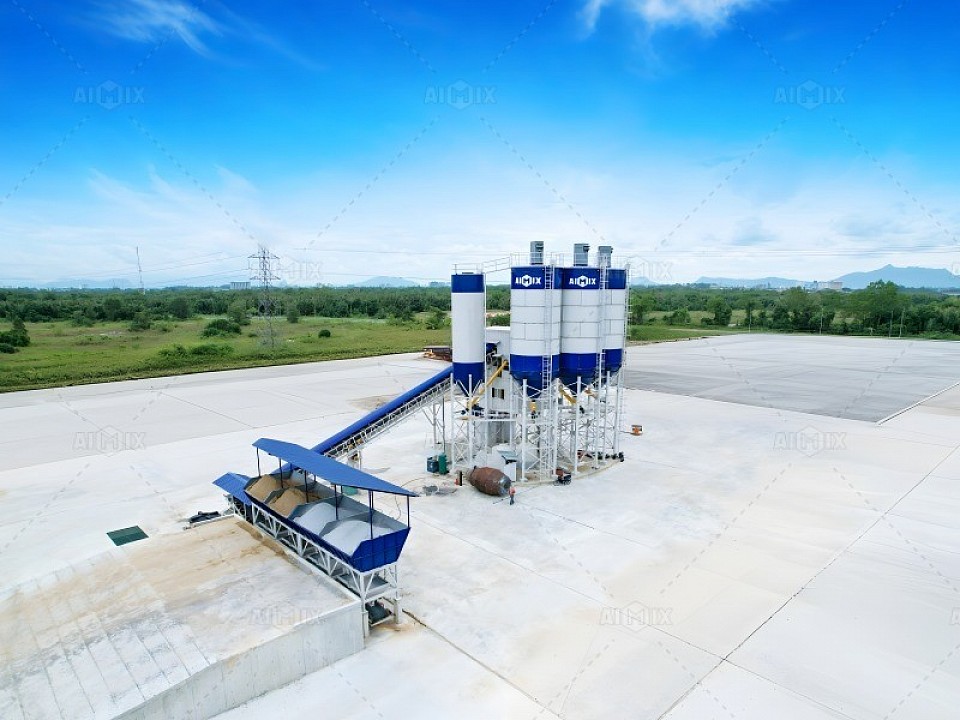
Precast concrete has become a cornerstone in modern construction, offering benefits like accelerated project timelines, improved quality control, and reduced labor costs. To produce precast elements efficiently, manufacturers rely on specialized batching plants designed to handle precise formulations, high consistency, and sometimes unconventional materials. Understanding the types of batching plant suited for precast concrete and other specialized applications is crucial for contractors, plant owners, and project managers aiming for quality and efficiency.
1. Stationary Batching Plants for High-Volume Precast Production
Stationary batching plants are widely used in large-scale precast factories, where consistent quality and high output are essential. These plants are typically installed on a fixed site and consist of components such as aggregate bins, conveyors, mixers, cement silos, and control systems.
For precast concrete, stationary plants offer several advantages:
High Precision: With computerized control systems, stationary plants ensure exact proportions of cement, aggregates, water, and admixtures. This precision is critical for precast elements that require uniform strength and dimensional accuracy.
Large Capacity: Stationary concrete batching plants can produce hundreds of cubic meters of concrete per hour, making them suitable for factories producing structural beams, panels, and modular units.
Automation and Integration: Many stationary plants integrate with automated batching lines, curing systems, and molds, streamlining the entire precast production process.
A typical stationary batching plant for precast applications may include twin-shaft mixers or planetary mixers, which provide high homogeneity for stiff or high-performance concrete mixes used in precast beams, slabs, or façade panels.
2. Mobile Batching Plants for Flexible and Remote Applications
While stationary plants dominate factory setups, mobile batching plants are increasingly used in specialized applications that require flexibility. Mobile batching plants are mounted on a trailer or skid-mounted chassis, allowing them to be transported and quickly set up on site.
Mobile plants are particularly valuable for precast projects in locations where permanent infrastructure is not feasible:
On-Site Precast Production: Some large-scale construction sites prefer producing precast elements nearby to reduce transportation costs and minimize the risk of damage. Mobile batching plants can be deployed on-site for timely production.
Temporary Projects: For projects with limited duration, such as bridge components or modular construction, mobile plants offer the advantage of temporary installation without significant investment in fixed infrastructure.
Specialized Mixes: Mobile concrete plants allow manufacturers to experiment with different mix designs for specialized applications, including lightweight concrete, fiber-reinforced concrete, or high-strength mixes.
Despite their lower capacity compared to stationary plants, mobile batching plants provide a cost-effective solution for producing smaller batches or trial runs in precast production.
3. Modular Batching Plants for Customizable Production
Modular batching plants are a hybrid solution, combining the flexibility of mobile units with the performance of stationary systems. These plants consist of pre-engineered modules that can be quickly assembled or expanded to match production requirements.
For specialized applications, modular plants provide several advantages:
Custom Layouts: Modular components can be arranged according to factory space, workflow, or specific precast production needs.
Scalability: Manufacturers can start with a small setup and expand capacity as demand increases, without major downtime or relocation.
Adaptability: Modular plants can incorporate specialized mixers, extra admixture systems, or additional aggregate bins to support complex precast concrete designs.
Modular batching plants are particularly suitable for producing specialized elements such as decorative façade panels, architectural precast units, or precast elements with embedded utilities.
4. Specialized Batching Plants for Niche Applications
Beyond the standard stationary, mobile, and modular plants, some batching plants are designed for highly specialized applications in precast production. Examples include:
High-Performance Concrete (HPC) Plants: These plants are equipped with precision mixers, high-capacity silos, and automated admixture dosing systems for producing HPC used in long-span beams, bridges, and offshore structures.
Lightweight Aggregate Plants: Used for architectural or insulation purposes, these plants handle lightweight aggregates like expanded clay, pumice, or perlite, ensuring uniform mixing without damaging the aggregates.
Fiber-Reinforced Concrete Plants: For precast slabs or panels requiring fibers, batching plants may include dedicated fiber feeding systems to ensure uniform dispersion.
These specialized plants often feature additional sensors, advanced control software, and integration with quality monitoring systems to maintain strict tolerances and meet high-performance standards.
5. Choosing the Right Batching Plant for Your Precast Project
Selecting the appropriate batching plant depends on several factors:
Production Volume: High-volume precast factories benefit from stationary or modular plants, while temporary or small-scale projects may opt for mobile units.
Mix Design Complexity: Specialized mixes, including HPC, lightweight, or fiber-reinforced concrete, require plants with dedicated dosing and mixing systems.
Space and Layout: Plant layout flexibility may influence the choice between stationary, modular, or mobile plants.
Budget and ROI: Consider both initial investment and operational efficiency. Modular and mobile plants offer lower upfront costs but may have limited capacity.
Conclusion
Precast concrete production demands precision, consistency, and sometimes highly specialized mixes. Choosing the right type of batching plant—whether stationary, mobile, modular, or specialized—is key to achieving high-quality outputs and optimizing operational efficiency. By understanding the specific requirements of precast projects and the capabilities of each plant type, manufacturers and contractors can make informed decisions that support both productivity and long-term profitability.
